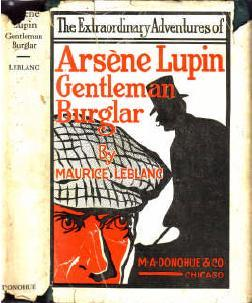
Book
The Extraordinary Adventures of Arsène Lupin, Gentleman-Burglar
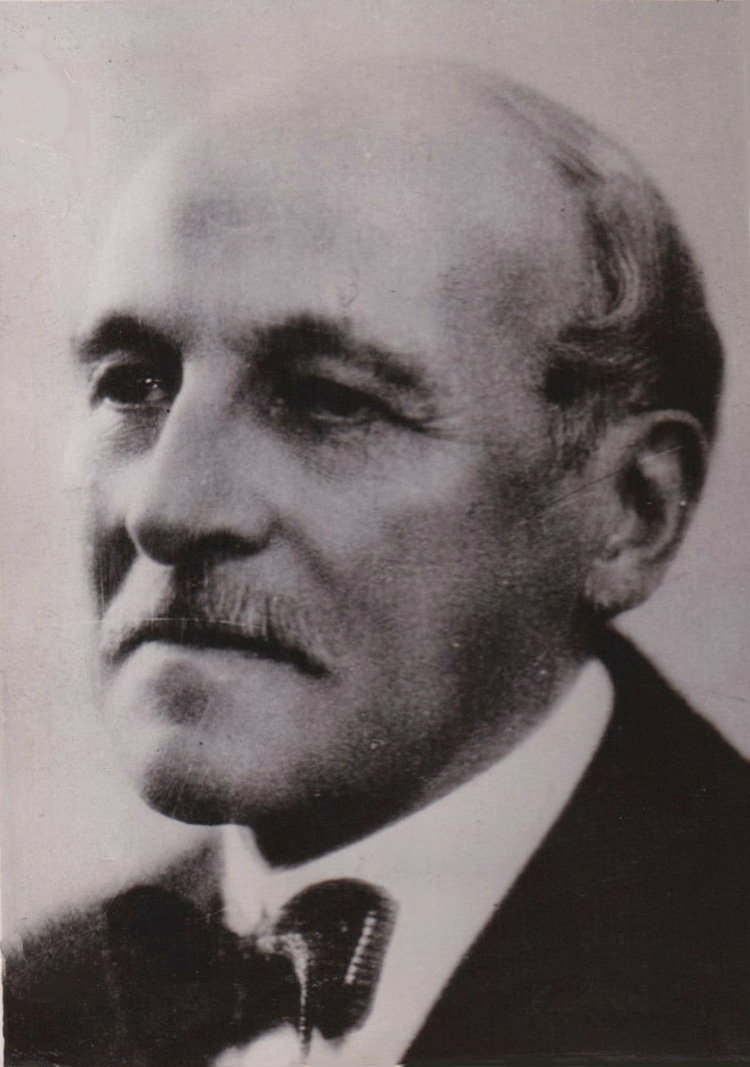 Maurice Leblanc
The Extraordinary Adventures of Arsène Lupin, Gentleman-Burglar is a literary work by Maurice Leblanc. Its themes and subject matter include Adventure stories, French in English translation and Burglars. Together, these subjects provide the book with its main literary, historical, social, or intellectual context.
From the book
Quotes from “The Extraordinary Adventures of Arsène Lupin, Gentleman-Burglar”
Continue exploring
You may also like
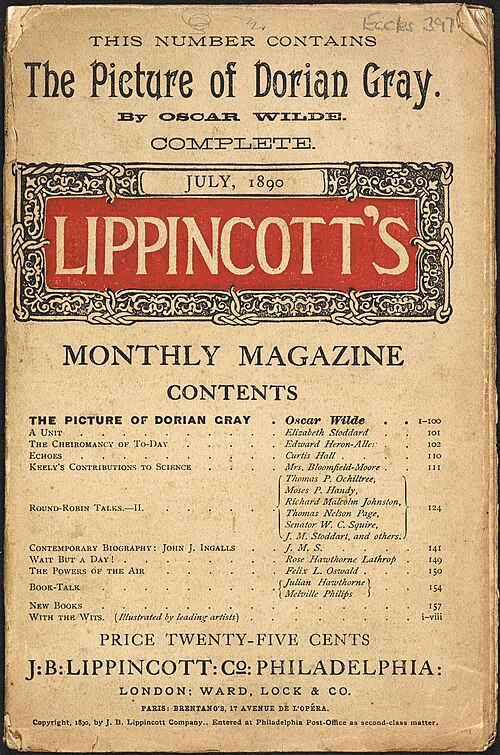
Book · 1890
The Picture of Dorian Gray
The Picture of Dorian Gray is a novel by Oscar Wilde about a young man whose portrait bears the visible consequences of his choices. The book combines Gothic elements with questions about beauty, influence, pleasure, secrecy, and moral responsibility.
Related ideas
Book
Hamlet
Hamlet is a tragedy by William Shakespeare about a Danish prince confronting his father's death, his mother's remarriage, and a demand for revenge. The play examines grief, conscience, performance, political power, and mortality.
Related ideas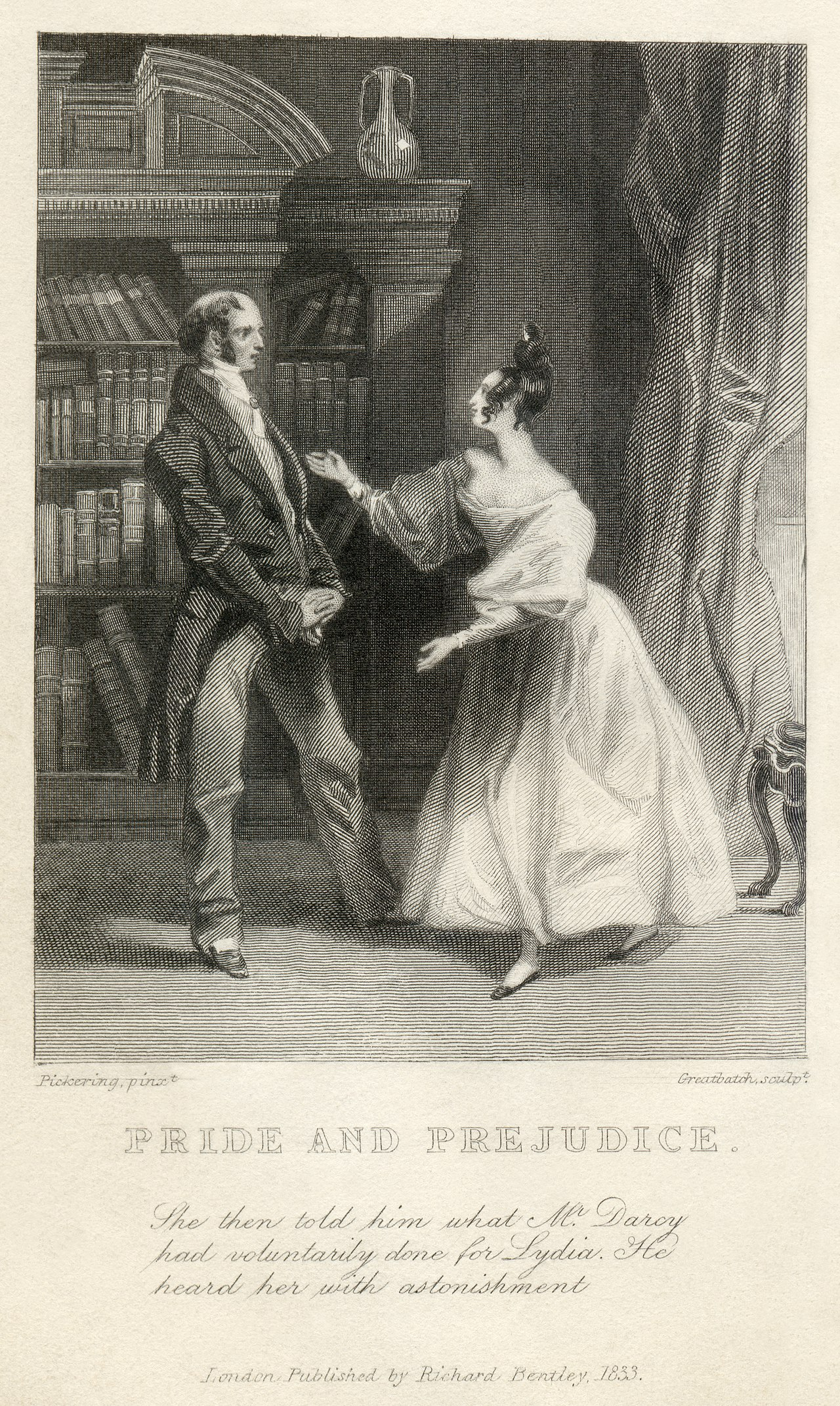
Book · 1813
Pride and Prejudice
Pride and Prejudice is an 1813 novel by Jane Austen centered on Elizabeth Bennet and Fitzwilliam Darcy. Their changing judgments unfold within a comedy of manners about family, marriage, money, and social rank.
Related ideas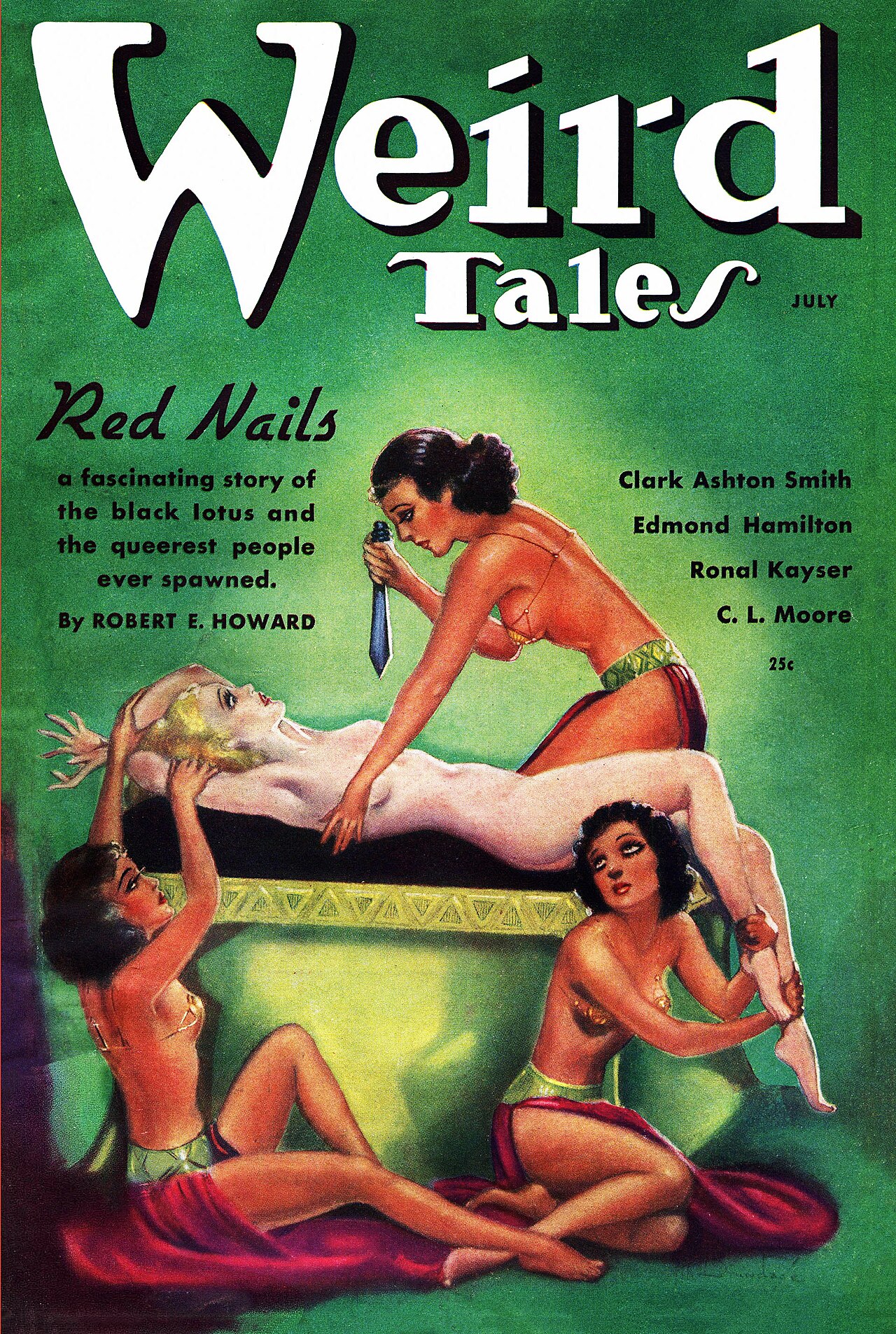
Book · 1936
Red Nails
"Red Nails" is the last of the stories featuring Conan the Cimmerian written by American author Robert E. Howard. A novella, it was originally serialized in Weird Tales magazine from July to October 1936, the months after Howard's suicide.
Related ideas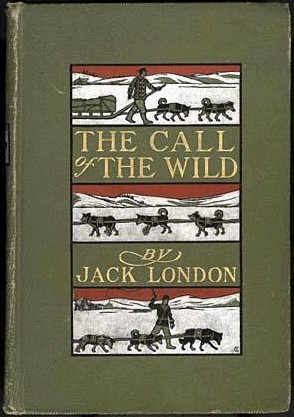
Book · 1903
The Call of the Wild
The Call of the Wild is an adventure novel by Jack London, published in 1903 and set in Yukon, Canada, during the 1890s Klondike Gold Rush, when strong sled dogs were in high demand. The central character of the novel is a dog named Buck.
Related ideas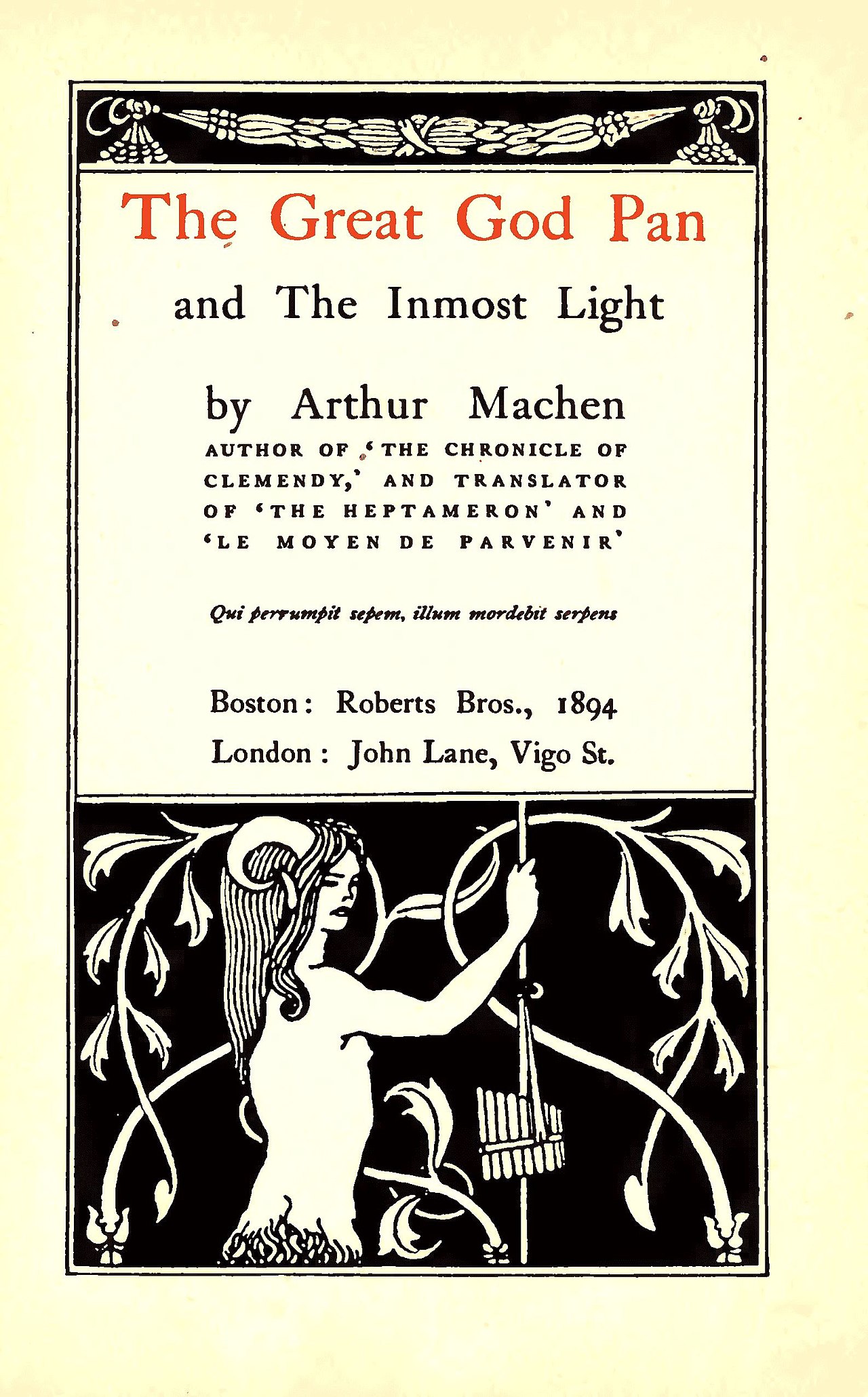
Book · 1894
The Great God Pan
The Great God Pan is an 1894 horror and fantasy novella by the Welsh writer Arthur Machen. Machen was inspired to write The Great God Pan by his experiences at the ruins of a pagan temple in Wales.
Related ideas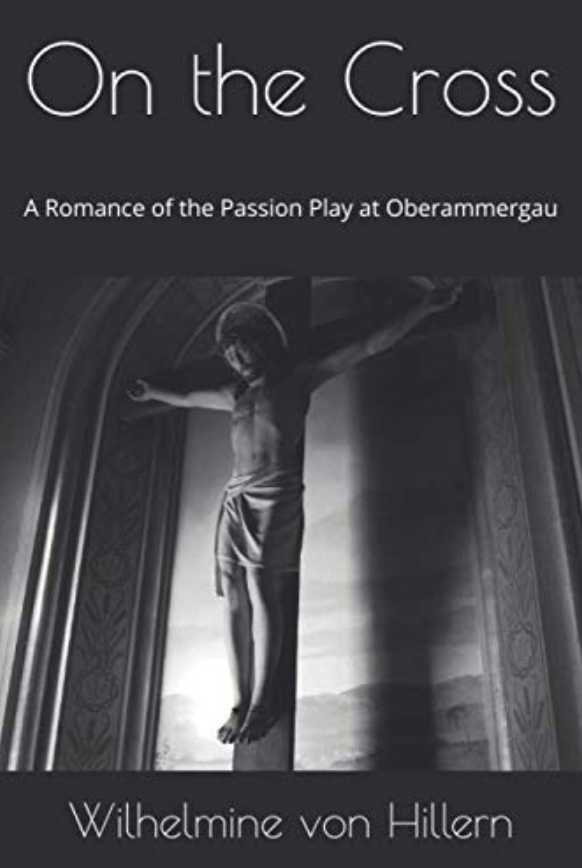
Book · 1902
On the Cross: A Romance of the Passion Play at Oberammergau
On the Cross: A Romance of the Passion Play at Oberammergau is a literary work by Wilhelmine von Hillern. Its themes and subject matter include Oberammergau (Germany) and Oberammergauer Passionsspiel.
Related ideas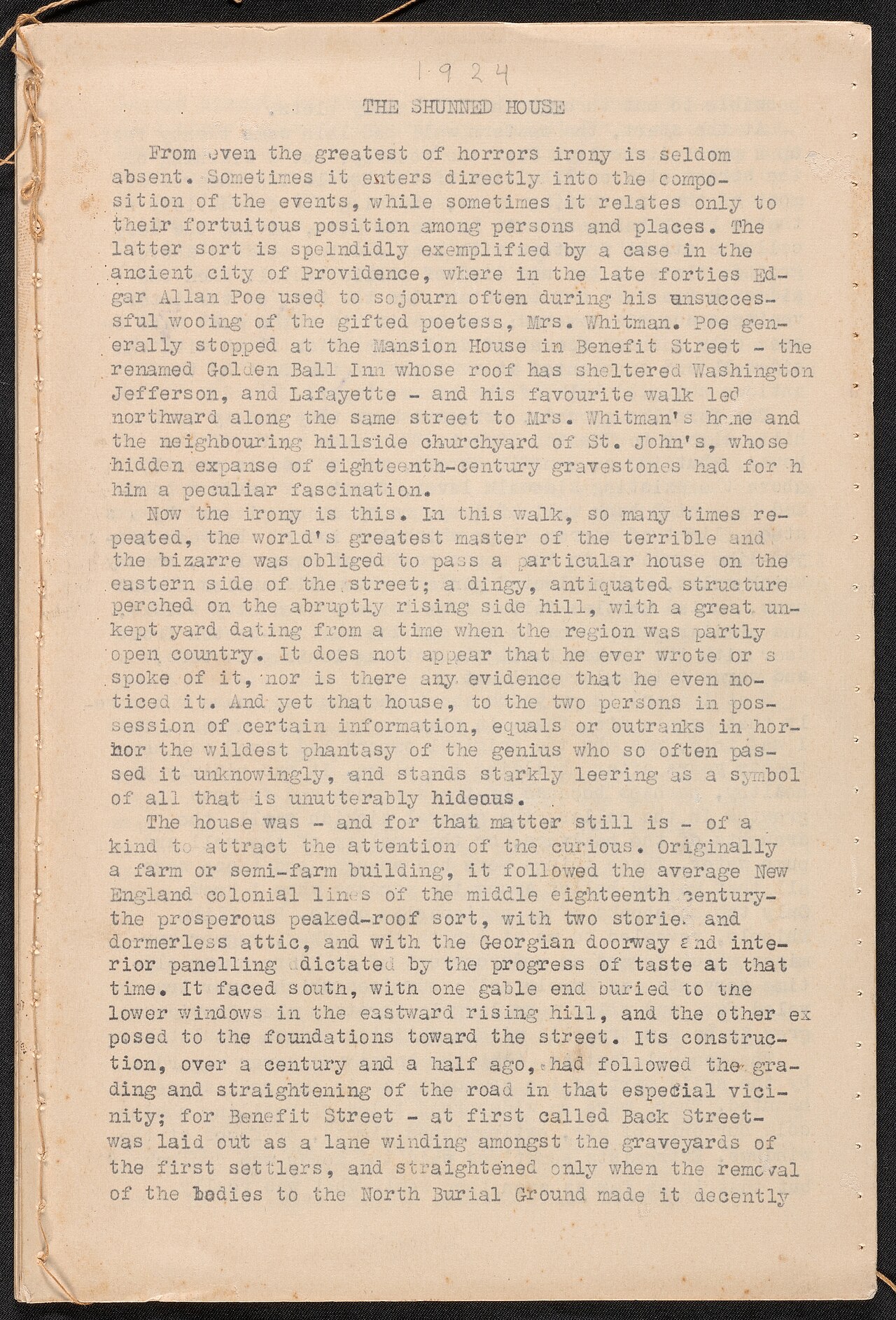
Book · 1937
The Shunned House
"The Shunned House" is a horror fiction novelette by American author H. P. Lovecraft, written on October 16–19, 1924. It was first published in the October 1937 issue of Weird Tales.
Related ideas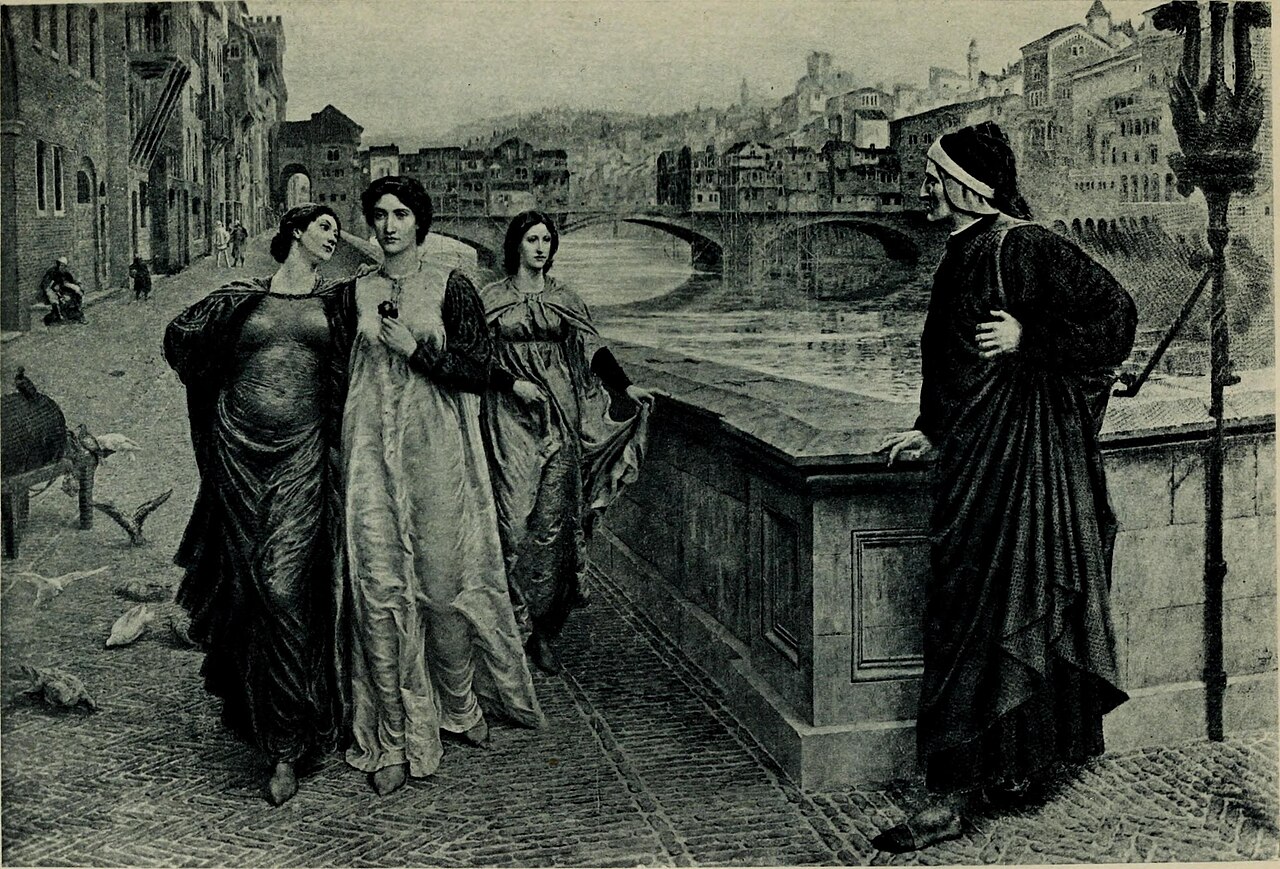
Book
The Divine Comedy of Dante Alighieri
The Divine Comedy of Dante Alighieri is an English-language edition of Dante Alighieri's epic poem. Its themes and subject matter include Epic poetry, Italian in English translation and Hell.
Related ideas
Interview
The Decision to Drop the Bomb interview
The Decision to Drop the Bomb is a 1965 filmed interview in which J. Robert Oppenheimer reflects on the first atomic-bomb test. In the surviving segment, he recalls his reaction by citing his own English rendering of a verse from the Bhagavad Gita.
Related ideas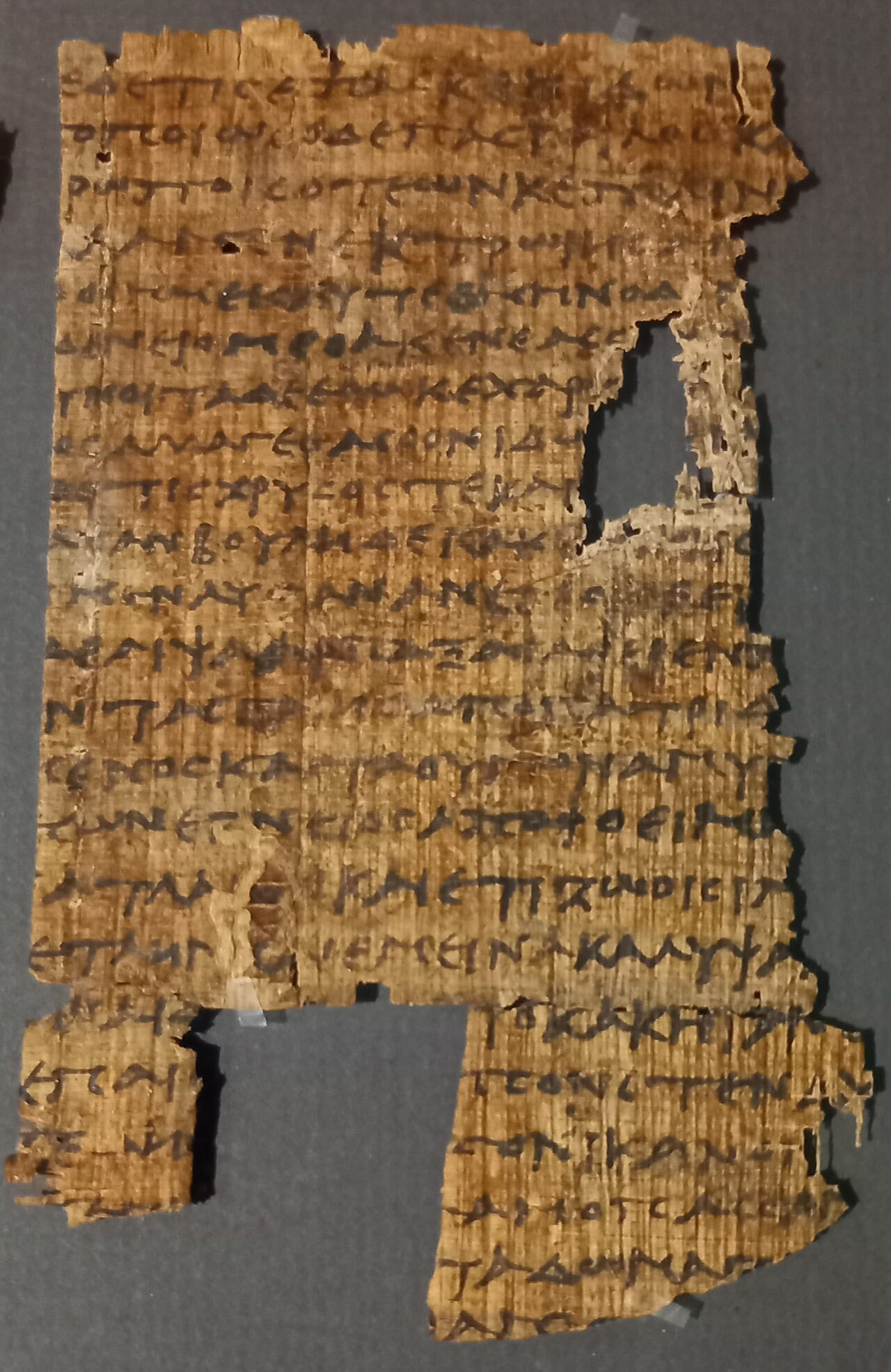
Book
Odyssey
The Odyssey is one of two major epics of ancient Greek literature attributed to Homer. It is one of the oldest surviving works of literature and remains popular with modern audiences.
Related ideas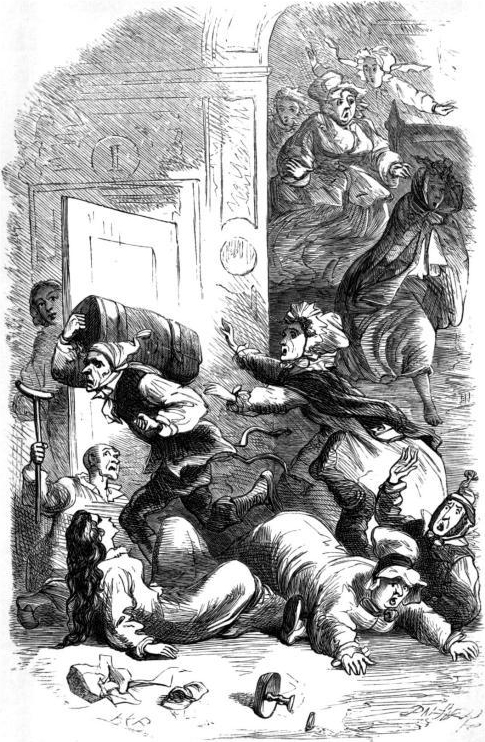
Book · 1771
The Expedition of Humphry Clinker
The Expedition of Humphry Clinker was the last of the picaresque novels of Tobias Smollett, published in London on 17 June 1771, and is considered by many to be his best and funniest work. It is an epistolary novel, presented in the form of letters written by six characters: Matthew Bramble, a Welsh Squire; his sister Tabitha; their niece Lydia and nephew Jeremy Melford; Tabitha's maid Winifred Jenkins; and Lydia's suitor Wilson.
Related ideas